We’ve been lied to about what makes a city livable. For decades, urban planners and self-help gurus have shoved the idea of the "corner office" and the "dream home" down our throats. But let’s be honest: the real magic happens between those two points.
I’m talking about the rise of the "Third Place"—that sacred space that isn't your house (First Place) or your office (Second Place). And no, I don’t mean the metaverse or another Zoom happy hour. I mean the sticky floor of your local indie café, the dusty shelves of a public library, and the clanking iron of a neighborhood gym.
We are currently witnessing a massive sociological shift where these venues aren't just for lattes or deadlifts anymore. They are the new social glue. And frankly, it’s about damn time we started treating them that way.
The Death of the "Bleisure" Hangout
Let’s rewind for a second. Before 2020, we had a specific vision of socializing: the after-work drinks, the networking brunch, the dinner party. It was all heavily scheduled, heavily transactional, and honestly, exhausting.
Here's what most people miss: The pandemic didn't kill our social lives; it killed our tolerance for performative socializing. We lost the habit of "catching up" and realized we craved ambient intimacy. We want to be around people without the pressure of performing for them.
I’ve found that since the remote work revolution cemented itself, the "Second Place" (our homes) has become a bit of a pressure cooker. We work in the living room, sleep in the bedroom, and eat at the kitchen island. The walls start to close in. We need a release valve.
That release valve is the Third Place. But it’s not just about escaping the laundry pile. It’s about contextualizing our loneliness. In a gym, you are lonely together. In a library, you are silent together. That shared solitude is a balm for the modern soul that a cocktail bar simply cannot replicate.
The "Laptop Hermit" Paradox
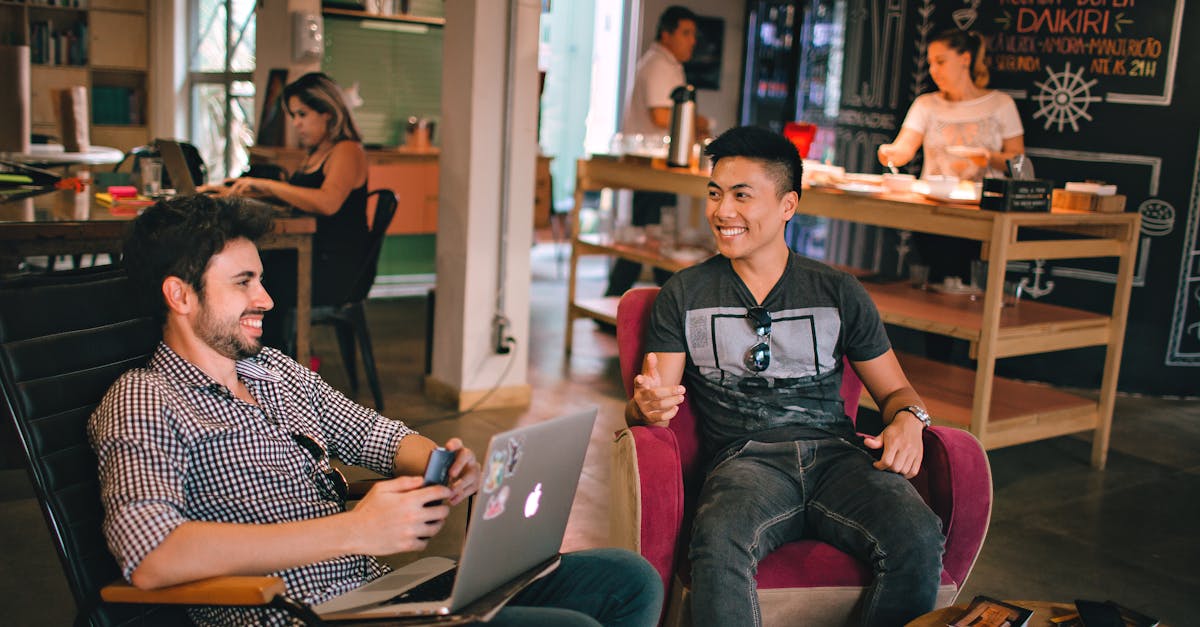
We have to address the elephant in the room—or rather, the elephant holding a MacBook Air and an oat milk cappuccino.
Critics love to moan that cafés have become satellite offices, claiming that the presence of laptop users kills the vibe. I call bullshit. Look closer. The café is the only place where you can be alone in public without being stigmatized.
That solitude is a gateway drug to connection. I can't count the number of times I've been typing away, hit a creative wall, and ended up chatting with the person next to me about their dog or the terrible weather. It happens organically because we have a shared context—we are both there.
But it goes deeper than just casual chat. The Third Place offers what sociologist Ray Oldenburg (who coined the term) called a "neutral ground." In a gym, the CEO and the barista are equals. They are both just trying to survive leg day. That leveling effect is crucial.
- The Gym: Removes status markers. Sweat is the great equalizer.
- The Library: Removes the price of admission. Knowledge is free, and so is the community.
- The Café: Removes the isolation of the home office.
These spaces function as a "social proxy" —they allow us to feel connected to the human race simply by observing it. We watch the barista perfect latte art; we see the elderly man read the newspaper; we witness the college student stress-crying over calculus. It makes us feel part of a larger narrative than our own Netflix queue.
Curated Communities and the Rise of the "Hobby Home"
Here is where the trend gets interesting. We aren't just passively using these spaces anymore; we are actively curating them.
I’ve noticed a specific shift in how we choose our Third Places. It used to be about proximity. Now, it’s about identity reinforcement. You don't go to a gym; you go to the climbing gym because "those are your people." You don't read at a library; you go to the brutalist one downtown because it makes you feel like a protagonist in a dystopian novel.
This has turned Third Places into niche communities. They are the new "third space" for a hyper-individualized society. We don't join the Rotary Club anymore; we join the 6 AM CrossFit crew. We don't attend church socials; we attend book club at the local indie bookstore.
This is why we see the resurgence of specialized venues. They are becoming subcultural hubs. They aren't just selling a product; they are selling a vibe, a tribe, a sense of belonging.

The Loneliness Economy and the "Free" Ticket
Let’s talk money, because that’s where the rubber meets the road.
The "Loneliness Economy" is booming. The US Surgeon General declared loneliness a public health epidemic a while back, and the market responded. We are seeing a rise in "social wellness" businesses—places that charge for the space more than the product.
Here’s the kicker: The best Third Places aren't the ones that charge you a cover fee. They are the ones that require a purchase to justify your existence there.
I know it sounds cynical, but that $6 latte is the entry ticket to the show—the show being human connection. It’s the toll for the bridge to social interaction. However, the library remains the greatest flex in urban design. It is the only Third Place where you don't have to pay to exist. Libraries are pivoting hard into this role, offering not just books but sewing machines, 3D printers, and lecture halls. They are evolving into community living rooms.
The danger? If we don't support these spaces, they vanish. When the local café closes because rents are too high, we lose a vital organ of the neighborhood. We lose the place where the introvert can practice being extroverted. We lose the venue for the "weak ties" that sociologists claim are essential for mental health and career luck.
Why Your Couch is a Social Death Trap
So, where does this leave us? We have to stop treating these places as mere amenities and start treating them as essential infrastructure.
I have a hard rule now: I refuse to work from home every single day. I force myself to go to the library or the café. Why? Because I realized that my creativity was drying up. Without the hum of human activity, my brain went stagnant.
The magic of the Third Place is the friction. It’s the noise, the interruptions, the slight discomfort of sharing a table. That friction is what sparks ideas. It’s what makes life feel textured.
We are social animals who built a digital world that tricked us into thinking we didn't need physical proximity. The rise of the Third Place is the pendulum swinging back. It’s the admission that while we love our streaming services, we are starving for the unpredictable.
We crave the moment when the barista remembers your name. We crave the nod of acknowledgment from the regular at the gym. We crave the glance of shared amusement when someone’s phone rings loudly in the silent study room.
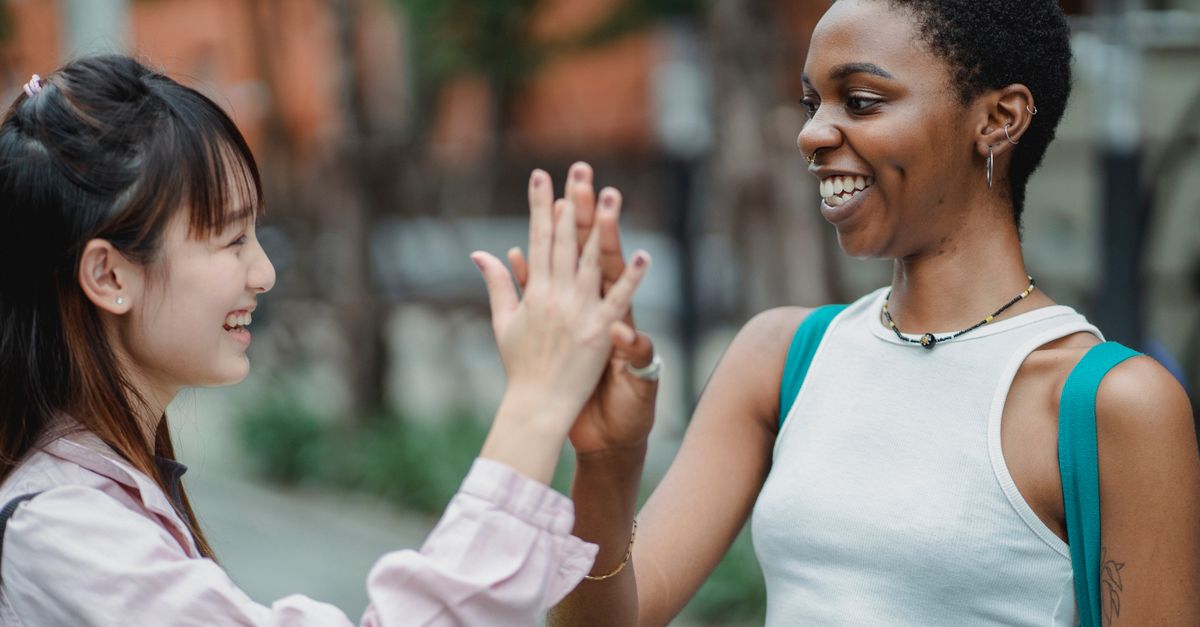
These spaces are the antidote to the algorithm. The algorithm gives you more of what you like; the Third Place gives you what you need—difference, serendipity, and the simple, profound feeling of being in the same room as other living, breathing humans.
So, go ahead. Order the coffee. Check out the book. Pick up the heavy thing. Just don't stay home. The glue is drying out, and we need you to help re-stick the pieces.
